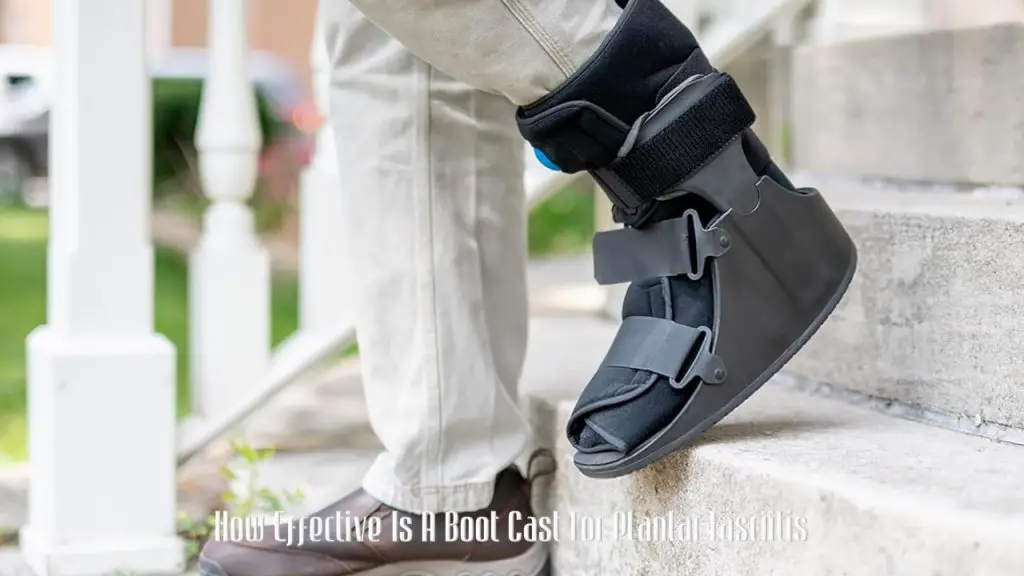
A boot cast, often referred to as a walking boot, orthopedic boot, or CAM walker, is a medical device designed to immobilize the foot and ankle. Unlike traditional plaster casts, this removable boot provides both support and protection while still allowing limited mobility.
The boot typically includes:
Rigid outer shell for structural support
Adjustable straps to secure the foot in place
Cushioned lining for comfort and pressure relief
Rocker-bottom sole that facilitates safer walking
By stabilizing the foot and maintaining a neutral position, the boot cast prevents excessive stretching of the plantar fascia, which helps reduce inflammation and encourages tissue recovery.
How A Boot Cast Helps Heal Plantar Fasciitis
1. Reduces Stress on the Plantar Fascia
One of the main causes of plantar fasciitis is repeated strain on the ligament. A boot cast helps by restricting motion, ensuring that the plantar fascia remains in a relaxed position.
This reduction in stress allows the damaged fibers to repair themselves naturally, which is essential for long-term recovery.
2. Promotes Proper Foot Alignment
Foot alignment plays a significant role in plantar fasciitis development. Improper biomechanics, such as overpronation or flat feet, can cause uneven pressure on the plantar fascia.
A boot cast maintains correct foot positioning, preventing further irritation while the ligament heals.
3. Limits Weight-Bearing Stress
Walking and standing place continuous pressure on the heel and arch. A walking boot redistributes this load across the entire foot and ankle.
The result is significant relief from heel pressure, allowing inflammation to decrease and healing to accelerate.
4. Provides Controlled Immobilization
Unlike a traditional cast, a walking boot offers controlled immobilization. Patients can remove the boot when necessary for hygiene or physician-approved exercises.
This balance between support and flexibility makes the boot cast an ideal solution for moderate to severe plantar fasciitis cases.
When Doctors Recommend A Boot Cast
Medical professionals typically recommend a boot cast when other treatments have not provided sufficient relief. Situations where a boot cast may be prescribed include:
Severe plantar fasciitis pain
Chronic inflammation lasting several months
Failure of conservative treatments
Significant ligament irritation or microtears
In many cases, physicians suggest wearing the boot for two to six weeks, depending on the severity of the condition and the patient’s recovery progress.
Benefits Of Using A Boot Cast For Plantar Fasciitis
Rapid Pain Reduction
One of the most noticeable benefits is immediate pain relief. By stabilizing the foot, the boot prevents movements that aggravate the plantar fascia.
Many patients report significant improvement within the first few days of consistent use.
Enhanced Healing Environment
Healing requires a stable environment where tissues are not constantly stretched or irritated. The immobilization provided by a boot cast allows the plantar fascia to recover without ongoing trauma.
Prevention of Further Injury
Without proper treatment, plantar fasciitis can worsen and lead to additional complications such as:
Heel spurs
Chronic foot instability
Long-term inflammation
A boot cast helps prevent these issues by protecting the foot during the healing phase.
Improved Mobility Compared to Traditional Casts
Unlike plaster casts, walking boots allow patients to remain relatively mobile. The rocker sole design helps facilitate natural walking while still maintaining protection.
This makes daily activities more manageable during recovery.
Potential Drawbacks Of Wearing A Boot Cast
While highly effective, boot casts may also present certain challenges.
Temporary Muscle Weakness
Extended immobilization can lead to reduced muscle strength in the foot and calf. Once the boot is removed, rehabilitation exercises may be necessary to restore normal function.
Altered Walking Pattern
The height and rigidity of the boot can cause imbalanced walking mechanics, potentially affecting the knees, hips, or lower back.
Doctors often recommend using a shoe lift on the opposite foot to maintain proper posture and alignment.
Skin Irritation
Improper fit or prolonged wear can sometimes lead to skin irritation or pressure points. Ensuring the boot is correctly adjusted helps minimize these issues.
How To Maximize Recovery While Wearing A Boot Cast
To achieve the best results, it is important to follow several key recovery strategies.
Follow Medical Guidance
Always adhere to the instructions provided by your healthcare provider regarding wearing time, walking limitations, and removal guidelines.
Incorporate Stretching and Physical Therapy
After the acute pain subsides, gentle stretching exercises for the calf muscles and plantar fascia can significantly improve flexibility and prevent recurrence.
Use Ice Therapy
Applying ice to the heel for 15–20 minutes several times per day helps reduce inflammation and manage discomfort.
Maintain Proper Foot Support
Even after the boot cast is removed, wearing supportive footwear with proper arch support is essential for preventing reinjury.
Alternative Treatments For Plantar Fasciitis
While boot casts are effective for many individuals, other treatment options may also contribute to recovery.
Common alternatives include:
Custom orthotic inserts
Night splints
Anti-inflammatory medications
Corticosteroid injections
Shockwave therapy
Physical therapy programs
Combining multiple therapies often produces the most effective and lasting results.
Expected Recovery Timeline
The healing process for plantar fasciitis varies based on several factors including severity, activity level, and adherence to treatment.
Typical recovery stages include:
Initial pain reduction: 1–2 weeks
Inflammation control: 3–6 weeks
Functional recovery: 6–12 weeks
Patients who follow recommended treatment plans, including the use of a boot cast when necessary, often experience substantial improvement within a few months.
Preventing Future Episodes Of Plantar Fasciitis
Prevention plays a crucial role in maintaining long-term foot health. Key preventive measures include:
Wearing well-cushioned, supportive footwear
Maintaining healthy body weight
Performing regular foot and calf stretches
Avoiding excessive running or standing on hard surfaces
Using orthotic insoles when needed
By addressing biomechanical factors and maintaining proper foot care, individuals can significantly reduce the risk of recurring plantar fasciitis.
Conclusion
A boot cast is a highly effective treatment option for plantar fasciitis, particularly in cases where inflammation and pain persist despite conservative therapies. By immobilizing the foot, reducing strain on the plantar fascia, and promoting optimal healing conditions, the device plays a vital role in accelerating recovery.
When used under proper medical supervision and combined with supportive therapies, a walking boot can dramatically reduce pain, restore mobility, and prevent long-term complications associated with plantar fasciitis.
Patients seeking long-lasting relief should consider the boot cast as part of a comprehensive treatment strategy focused on healing, rehabilitation, and prevention.
Leave a Reply