Recovering from a hip replacement requires more than physical therapy and rest. One of the most important yet often overlooked factors is choosing the right footwear. The shoes we wear after surgery directly affect balance, mobility, comfort, joint alignment, and overall recovery outcomes. Proper footwear helps reduce stress on the new hip joint, lowers the risk of falls, and supports a safe return to daily activities.
In this comprehensive guide, we explore the best shoes to wear after hip replacement surgery, the features that matter most, footwear to avoid, and how to choose the ideal pair for every stage of recovery.
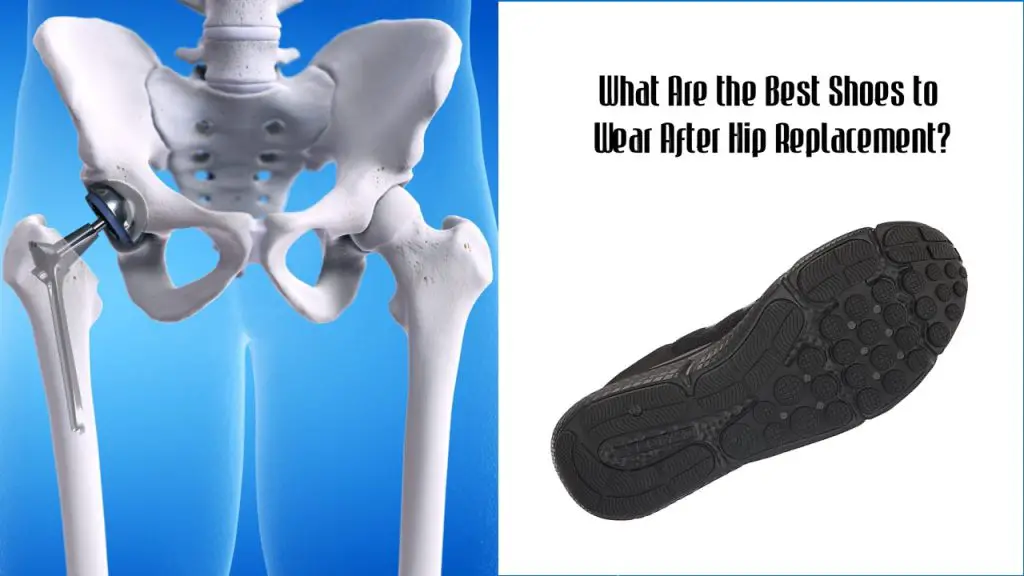
Why Proper Footwear Matters After Hip Replacement
Following hip replacement surgery, the body adapts to a new joint and altered biomechanics. During this period, stability and support are critical. Wearing inappropriate shoes can increase the risk of slipping, tripping, and placing unnecessary stress on the recovering hip.
The right footwear provides:
- Enhanced balance and stability
- Shock absorption during walking
- Reduced strain on hips, knees, and lower back
- Improved posture and alignment
- Better confidence during movement
- Lower risk of falls and injuries
Supportive footwear becomes an essential part of the rehabilitation process and can significantly influence long-term mobility.
Key Features To Look For In Shoes After Hip Replacement
- Non-Slip Outsoles
Traction is one of the most important features after surgery. Look for shoes with durable rubber outsoles that provide excellent grip on various surfaces.
Benefits include:
- Reduced risk of slipping
- Better stability on wet or uneven ground
- Increased confidence when walking
A slip-resistant sole is especially valuable during the first several months after surgery.
- Excellent Arch Support
Proper arch support helps distribute body weight evenly and minimizes stress on the hip joint.
Good arch support can:
- Improve walking mechanics
- Reduce fatigue
- Prevent overpronation
- Enhance overall comfort
Patients with flat feet or high arches may benefit from custom orthotics or supportive insoles.
- Cushioned Midsole
Shock absorption is critical when recovering from a major joint procedure.
A cushioned midsole helps:
- Absorb impact forces
- Reduce pressure on the hip
- Improve walking comfort
- Minimize joint fatigue
Materials such as EVA foam and advanced cushioning technologies offer superior comfort during recovery.
- Wide and Stable Base
A wider sole creates a more stable platform for walking.
Benefits include:
- Better balance
- Increased confidence
- Reduced risk of ankle rolling
- Improved weight distribution
Stability-focused walking shoes often feature broader outsoles than standard athletic footwear.
- Lightweight Construction
Heavy shoes can increase fatigue and place additional demands on recovering muscles.
Lightweight footwear helps:
- Promote natural movement
- Reduce leg strain
- Increase walking endurance
- Improve overall comfort
The ideal recovery shoe should feel supportive without being bulky.
- Easy On-and-Off Design
Many patients have temporary movement restrictions after surgery. Bending excessively to put on shoes may be difficult.
Look for:
- Slip-on shoes
- Hands-free designs
- Velcro closures
- Elastic laces
These options simplify daily routines while reducing unnecessary hip movement.
Best Types Of Shoes After Hip Replacement
Walking Shoes
Walking shoes are often considered the gold standard for post-hip replacement recovery.
Advantages include:
- Superior cushioning
- Excellent stability
- Supportive midsoles
- Lightweight construction
Walking shoes are designed specifically for forward motion, making them ideal for rehabilitation walks and daily activities.
Supportive Athletic Shoes
Modern athletic shoes often combine cushioning, support, and shock absorption.
The best athletic shoes for hip replacement recovery typically feature:
- Structured heel counters
- Supportive midsoles
- Durable traction patterns
- Comfortable uppers
They provide versatility for both rehabilitation exercises and everyday use.
Orthopedic Shoes
Orthopedic footwear is designed to accommodate specific foot and mobility needs.
Benefits include:
- Enhanced support
- Extra depth
- Accommodations for orthotics
- Superior comfort
These shoes may be particularly helpful for individuals with arthritis, diabetes, foot deformities, or chronic joint issues.
Slip-On Recovery Shoes
For patients who struggle with bending or tying laces, supportive slip-on shoes offer convenience without sacrificing stability.
Look for slip-on models that include:
- Firm heel support
- Non-slip soles
- Cushioned footbeds
- Secure fit
Avoid loose-fitting slip-ons that can increase the risk of tripping.
Best Shoe Features During Different Recovery Stages
Immediately After Surgery
During the first few weeks, focus on:
- Maximum stability
- Non-slip soles
- Easy entry
- Firm heel support
The primary goal is safe mobility around the home and during therapy sessions.
Early Rehabilitation Phase
As walking distance increases, prioritize:
- Cushioning
- Arch support
- Lightweight construction
- Secure fit
Shoes should help maintain comfort while encouraging proper gait mechanics.
Long-Term Recovery
Several months after surgery, many patients return to normal daily activities.
At this stage, ideal footwear includes:
- Durable walking shoes
- Athletic shoes with support
- Orthopedic footwear if needed
- Comfortable casual shoes with proper structure
Maintaining supportive footwear remains important even after full recovery.
Shoes To Avoid After Hip Replacement
Not all footwear is suitable following surgery.
High Heels
High heels alter posture and increase stress on the hips and lower back.
Risks include:
- Loss of balance
- Increased fall risk
- Joint strain
- Poor walking mechanics
Most orthopedic specialists recommend avoiding high heels during recovery.
Flip-Flops
Flip-flops provide virtually no support and can easily contribute to trips and falls.
Common issues include:
- Lack of arch support
- Poor stability
- Increased toe gripping
- Slipping hazards
They are generally considered one of the least suitable options after hip replacement.
Unsupportive Slippers
While comfortable, many slippers lack essential recovery features.
Avoid slippers that have:
- Soft, collapsing soles
- No heel support
- Poor traction
- Loose fit
If slippers are necessary, choose orthopedic models with structured support.
Worn-Out Shoes
Old footwear often loses cushioning and stability.
Signs that shoes should be replaced include:
- Uneven sole wear
- Flattened cushioning
- Reduced traction
- Visible structural breakdown
Worn-out shoes can negatively impact recovery and increase discomfort.
How To Ensure Proper Shoe Fit After Hip Replacement
Even the most supportive shoe is ineffective if it does not fit properly.
When selecting footwear:
- Ensure adequate toe room
- Avoid tight pressure points
- Check heel security
- Walk around before purchasing
- Wear recovery socks during fitting
A properly fitted shoe should feel stable and comfortable from the first step.
Benefits Of Supportive Shoes During Hip Replacement Recovery
Patients who wear appropriate footwear often experience:
Improved Walking Confidence
Stable shoes reduce fear of falling and encourage more natural movement.
Reduced Joint Stress
Shock-absorbing footwear helps minimize impact forces transmitted through the hips.
Better Rehabilitation Outcomes
Comfortable shoes support walking programs and physical therapy exercises.
Enhanced Balance
Supportive footwear promotes safer movement both indoors and outdoors.
Long-Term Joint Protection
Good footwear continues to protect the hip replacement and surrounding joints long after recovery is complete.
Additional Footwear Tips For Hip Replacement Patients
To maximize recovery success:
- Replace worn shoes regularly
- Use orthotics when recommended
- Keep shoelaces securely tied
- Avoid walking barefoot on slippery surfaces
- Choose shoes with firm heel counters
- Wear supportive footwear both indoors and outdoors
These simple practices can significantly improve safety and comfort.
Frequently Asked Questions
Can I wear running shoes after hip replacement?
Yes. Many supportive running shoes provide excellent cushioning and stability. Models designed for walking and everyday wear are often ideal during recovery.
Are slip-on shoes safe after hip replacement?
Supportive slip-on shoes can be safe if they fit securely and feature non-slip soles. Avoid loose or backless designs.
How soon can I wear normal shoes after surgery?
Most patients can wear supportive regular shoes relatively soon after surgery, provided they fit properly and meet stability requirements. Follow the recommendations of your surgeon and physical therapist.
Do I need orthopedic shoes permanently?
Not necessarily. Many patients return to standard supportive footwear. However, individuals with additional foot or joint issues may continue benefiting from orthopedic shoes.
Conclusion
The best shoes to wear after hip replacement combine stability, cushioning, arch support, traction, and comfort. Supportive walking shoes, quality athletic footwear, orthopedic shoes, and structured slip-ons are among the strongest choices for recovery. By selecting footwear that protects the new joint and promotes safe movement, patients can improve balance, reduce discomfort, and support a smoother return to an active lifestyle.
Choosing the right shoes is not merely a matter of comfort—it is an important investment in recovery, mobility, and long-term joint health. Proper footwear provides the foundation for confident walking and helps ensure the best possible outcome after hip replacement surgery.

Leave a Reply